

frosted glass types
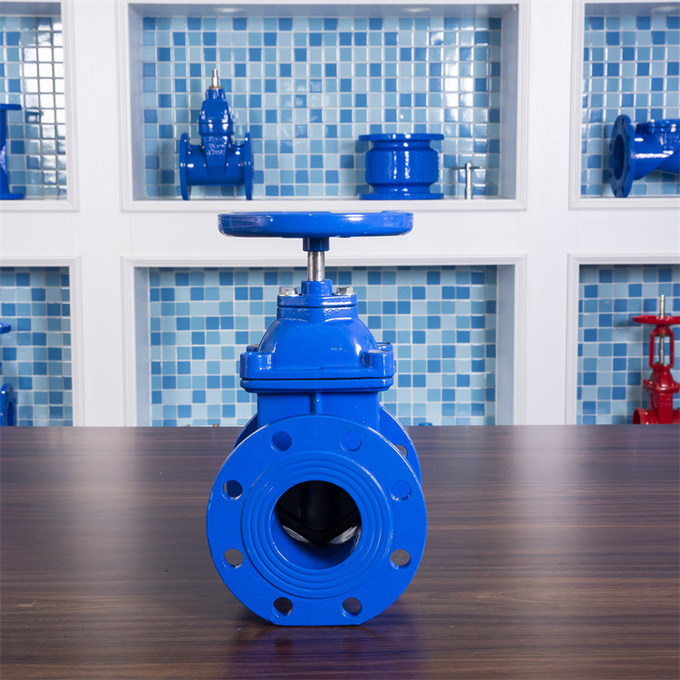
Understanding the Square Knife Gate Valve A Comprehensive Overview The square knife gate valve is an essential component in various industrial applications, specifically tailored for controlling the flow of liquids and slurries. This valve design is recognized for its unique ability to provide a reliable shut-off, making it a favorite in industries such as wastewater treatment, mining, and pulp and paper production. In this article, we will explore the features, advantages, and applications of the square knife gate valve. What is a Square Knife Gate Valve? A square knife gate valve is a type of isolation valve characterized by a sliding blade, often referred to as a knife, that cuts through the medium being controlled. Unlike traditional gate valves that utilize a wedge design, the knife gate valve features a square-shaped blade, which offers several advantages for handling challenging materials like slurries and thick liquids. The design allows for excellent performance in both fully open and fully closed positions, ensuring minimal turbulence in the flow path. Key Features 1. Material Construction Square knife gate valves are typically made from robust materials, including stainless steel, cast iron, and various alloys. This helps ensure durability and resistance to corrosion, particularly in harsh environments. 2. Self-Cleaning Design The sharp edges of the knife blade enable the valve to slice through solids and particulates within the medium, effectively preventing clogging and ensuring a clean shut-off. This is vital in applications where sediments and sludges are prevalent. 3. Compact Size The square design often allows for a more compact installation compared to conventional valves. This is particularly advantageous in spaces where installation footprint is limited. 4. Versatile Operation Square knife gate valves can be operated manually, pneumatically, or electrically, providing flexibility in automation and control according to the needs of the specific application. Advantages of Square Knife Gate Valves 1. Reliable Flow Control The design of the square knife gate valve ensures an effective shut-off, making it ideal for controlling the flow in and out of systems. The valve can handle high-pressure applications without compromising performance. square knife gate valve 2. Reduced Maintenance Due to their self-cleaning capabilities and robust construction, square knife gate valves typically require less maintenance than other valve types. This can lead to lower operational costs and reduced downtime in industrial processes. 3. Enhanced Safety The ability to provide a tight seal helps prevent leakage, which is crucial in applications dealing with hazardous materials. This enhances safety for operators and the surrounding environment. 4. Adaptability Whether dealing with slurries, liquids, or even gases, the square knife gate valve can be customized for different applications, making it a versatile choice for manufacturers and process engineers alike. Applications Square knife gate valves find their utility in numerous industries, specifically in scenarios where reliability and performance in flow control are paramount. Key applications include - Wastewater Treatment They manage the flow of sludge and wastewater, ensuring efficient processing and minimal environmental impact. - Mining Operations In mining, these valves assist in controlling the flow of slurries and concentrates, allowing for effective material handling. - Pulp and Paper Manufacturing The valve’s ability to cut through thick liquids makes it invaluable in pulping processes. - Food and Beverage Cleanability and reliability are crucial in this sector, making square knife gate valves suitable for managing ingredients and waste materials. Conclusion In summary, the square knife gate valve presents a robust solution for flow control in various challenging environments. Its unique design features, coupled with significant advantages, make it a preferable choice across multiple industries. As technology continues to advance, the square knife gate valve will likely evolve further, maintaining its crucial role in modern industrial applications. Whether you're looking to upgrade an existing system or install new machinery, considering a square knife gate valve may provide the reliability and efficiency your operations demand.
about
frosted glass types
The Importance of Dial Bore Gauges in Precision Measurement In the realm of precision engineering and manufacturing, the importance of accurate measurement cannot be overstated. One of the essential instruments used for achieving such accuracy is the dial bore gauge. Among the various types available, the dial bore gauge with a range of 50 to 160 mm has become a popular choice for professionals in many fields, including automotive, aerospace, and general manufacturing. Understanding the Dial Bore Gauge A dial bore gauge is a specialized measuring tool designed to measure the internal diameter of a hole, cylinder, or bore with high precision. It typically consists of a dial indicator attached to a set of adjustable measuring arms. The unique design allows for quick adjustments and easy readings, making it a favored choice for engineers and machinists who require reliable measurements of cylindrical surfaces. The gauge operates by inserting its measuring probe into the bore. As the probe encounters the inner surface, it translates this contact into a dial reading. This process enables operators to detect any variances in the bore size, determining whether it meets the specified tolerances necessary for proper functioning. For instance, in engine manufacturing, even minor deviations in cylinder dimensions can lead to significant performance issues. Applications of a Dial Bore Gauge (50 - 160 mm) The 50 to 160 mm range is particularly useful for various applications, including 1. Engine Cylinders In automotive engineering, the internal diameters of engine cylinders must adhere to strict specifications. A dial bore gauge allows technicians to verify that the bores are correctly sized for piston fitting, ensuring optimal engine performance. 2. Manufacturing of Pipes and Hoses In industries that involve pipe manufacturing, maintaining the correct internal diameter is critical for ensuring fluid flow. Dial bore gauges help ensure that the internal dimensions of pipes are consistent and within regulatory standards. dial bore gauge 50 160mm 3. Quality Assurance Many manufacturing processes involve the production of parts with cylindrical features. Implementing regular measurements using a dial bore gauge ensures that production remains within the specified tolerances, enhancing overall quality control. 4. Maintenance and Repair In maintenance applications, being able to accurately gauge the bore sizes of existing components enables mechanics to make informed decisions about repairs or replacements . Advantages of Using Dial Bore Gauges - Accuracy One of the primary benefits of a dial bore gauge is its precision. Capable of measuring to thousandths of a millimeter, it significantly reduces the margin for error, which is crucial in high-stakes environments. - Ease of Use The design of the dial bore gauge simplifies the measuring process, allowing operators to quickly take readings without extensive training. - Versatility With its adaptable range, the 50 to 160 mm dial bore gauge can be used in various settings and applications, making it a versatile addition to any measurement toolkit. - Durability Typically constructed from robust materials, dial bore gauges are designed to withstand the rigors of daily use in shop environments, ensuring longevity and reliable performance. Conclusion In conclusion, the dial bore gauge, particularly in the 50 to 160 mm range, is an invaluable tool in precision measurement. Its ability to provide accurate measurements for internal diameters makes it essential in diverse applications, from automotive manufacturing to quality control in industrial settings. As the demand for precision and quality continues to rise in various industries, the role of dial bore gauges in ensuring compliance with specifications will remain critical in the years to come.
-

High quality industrial productsagement

High quality industrial products
View Details -

Meet the diverse needs of customers

Meet the diverse needs of customers
View Details -

Strict quality control

Strict quality control
View Details -

Top raw materials

Top raw materials
View Details -

Trusted supplier

Trusted supplier
View Details
Our application

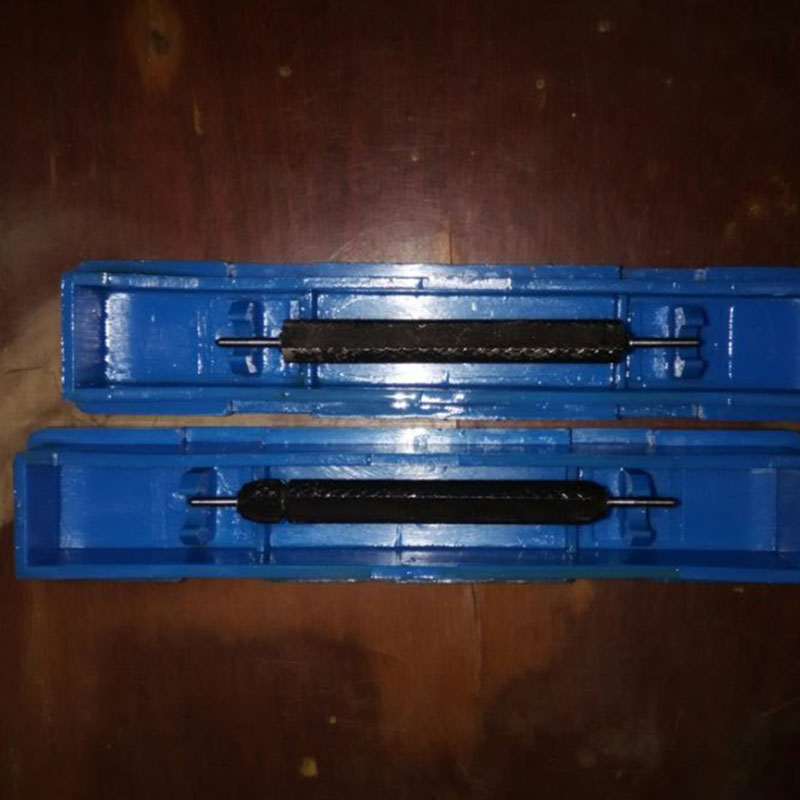

news and information
What Are the Three Types of Control Valves_
Control valves play a crucial role in various industrial processes, regulating the flow of fluids to
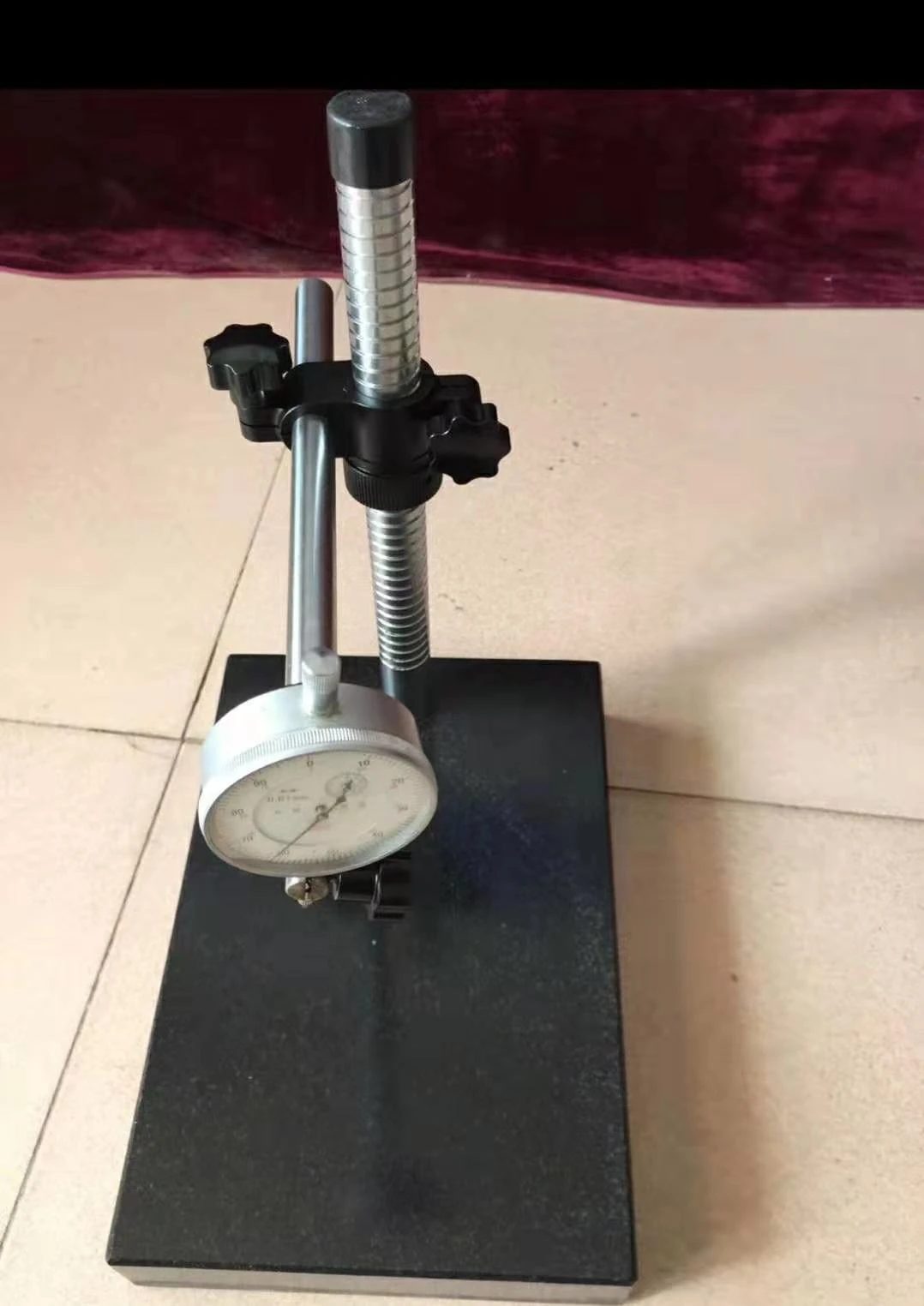
Using Ring Gauge for Precision Measurements in Quality Control Testing
The Importance of Ring Gauges in Quality Control In the world of manufacturing and engineering, prec

Versatile Clamps for Welding Tables Enhancing Stability and Precision in Metal Fabrication
The Importance of Welding Table Clamps in Metalworking Welding is an essential process in various in
 English